Designing a customized website for real estate professionals
A Senior Product Designer in creating a fully customized website to attract our VIP users and teach them how to work with the main product.
 Rechat
A customized website for vital people
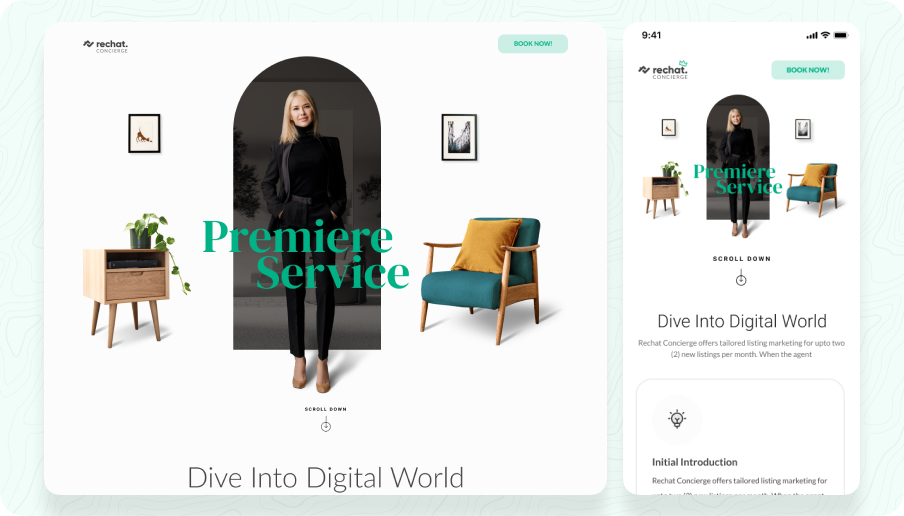
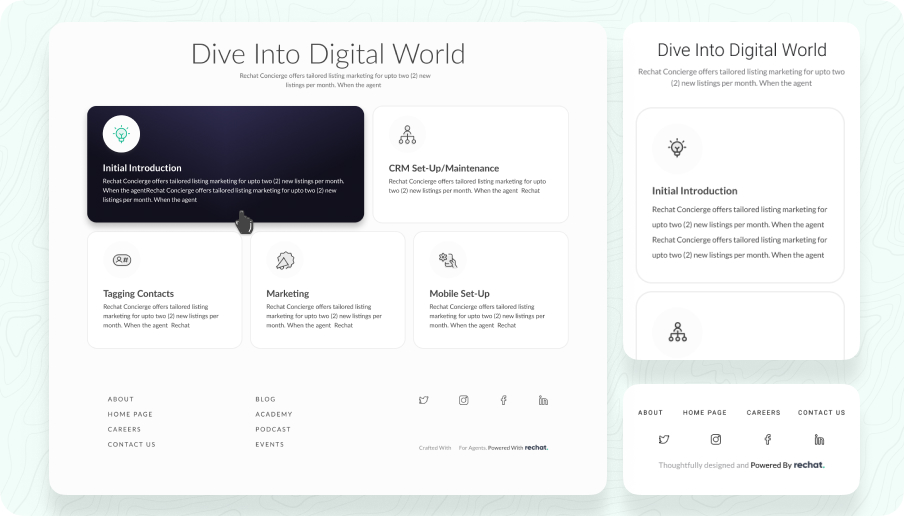
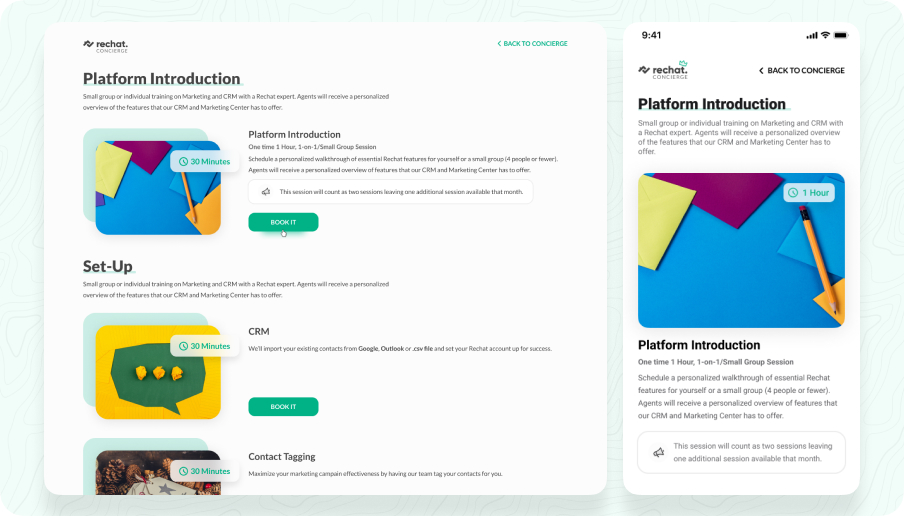
The project involves designing a separate customized website to attract and teach VIP users who are not familiar with technology how to work with the main product. The main product is an intuitive CRM platform developed for real estate professionals, and the customized website is designed specifically to cater to the needs of VIP users who require extra support to use the platform.
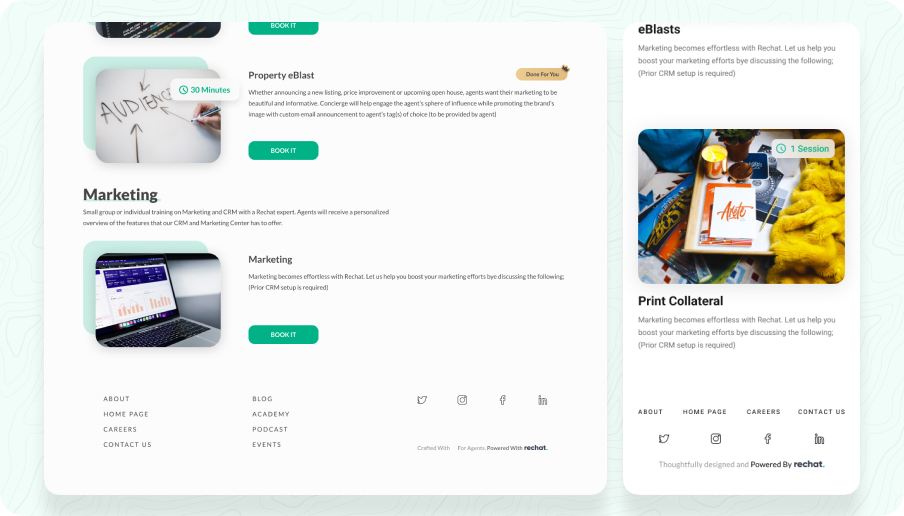
Enhancing user experience
My role would involve leading the design efforts for the separate website for VIP users in the real estate industry. I would be responsible for understanding the needs and pain points of our users.
My responsibilities would include conducting user research, creating user personas, designing wireframes, creating high-fidelity designs, and collaborating closely with the development team to ensure that the design was implemented accurately. I would also be responsible for evaluating the success of the project using metrics and feedback from users and making adjustments as necessary to improve the user experience.


Technology literacy challenges
The problem faced by the real estate CRM platform was that some of its VIP users were not able to use the platform to its full potential due to their lack of familiarity with technology. This resulted in lower engagement and usage of the platform, affecting both the VIP users and the overall business.
Enhancing productivity and performance
After launching the separate website for VIP users, we were pleased to see a significant increase in engagement, conversion, and customer satisfaction metrics. Specifically, we saw:
Increase in VIP users visiting the website within the first month of launch.
Increase in the number of VIP users who completed the tutorial videos.
Satisfaction rate among VIP users who used the website, indicated high levels of satisfaction with the learning resources provided.
Increase in the number of new posts and transactions made by VIP users within the first month of launch.
These metrics provided us with valuable insights into the effectiveness of the separate website for VIP users in achieving our goals. They also highlighted areas for further improvements, such as developing more advanced learning resources and expanding support options. We continued to track these metrics over time to ensure the website remained effective in meeting the needs of our users.
Nurturing user familiarity
One of the main challenges in this case study was designing a separate website that catered to the needs of VIP users who were not familiar with technology and teach them how to work with the main product. We had to strike a balance between simplicity and functionality, while ensuring that the website would be useful for both new and experienced users.
To solve this challenge, we conducted extensive research to understand the needs and preferences of our VIP users. This involved user interviews, surveys, and usability testing to gather feedback on the website's design and functionality. We also conducted a competitive analysis to see how other companies in the real estate industry were addressing the needs of their VIP users.
Based on our research findings, we developed several design concepts that we tested through user testing sessions. We gathered feedback on each design concept and used this information to refine our ideas until we arrived at a final design that was simple, intuitive, and effective.
Another challenge we faced was integrating the separate website with the main product seamlessly. We wanted to make sure that VIP users could easily access the main product from a separate website and that their experience would be consistent across both platforms.
To solve this challenge, we worked closely with the development team to ensure that the separate website and main product were compatible and that any updates made to one platform would be reflected in the other. We also conducted extensive testing to ensure that the transition between the separate website and the main product was seamless and that VIP users could easily navigate between both platforms.
Overall, the key to solving these challenges was collaboration and iteration. By working closely with our team and gathering feedback from our users, we were able to design a separate website that effectively catered to the needs of our VIP users and integrated seamlessly with our main product.
Crafting an intuitive learning journey

To begin with, the design process started with a deep dive into the needs and behaviours of the VIP users. We conducted user research, which included interviews, surveys, and observations, to understand their motivations, challenges, and preferences. We found that many VIP users were not familiar with the technology and found the main product confusing, which led to frustration and abandonment.
Based on these insights, we identified the need for a separate website that would cater specifically to VIP users and teach them how to work with the main product. The website would need to be highly intuitive, easy to use, and visually appealing to build trust and engagement with the users.
We then conducted ideation sessions to explore various concepts for the website. We generated multiple ideas and sketches and then narrowed them down to a few key concepts that aligned with the user needs and the business goals.
Next, we developed wireframes and prototypes of the chosen concepts, which we tested with VIP users to gather feedback and iterate. Through multiple rounds of testing and iteration, we refined the design until we had a high-fidelity prototype that we were confident would meet the needs of the target audience.
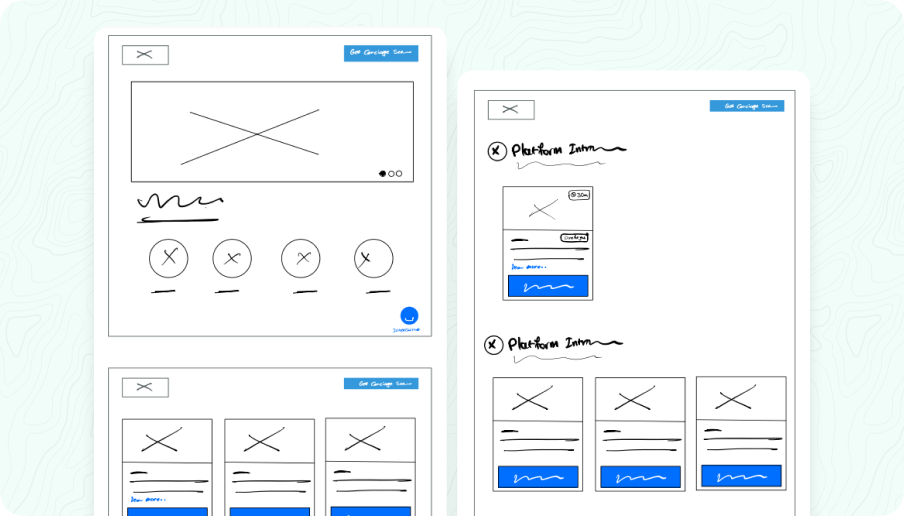
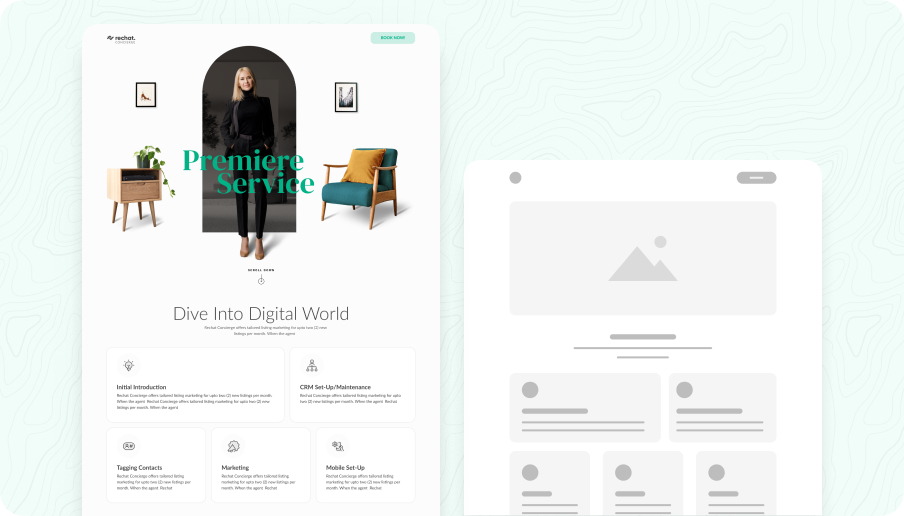
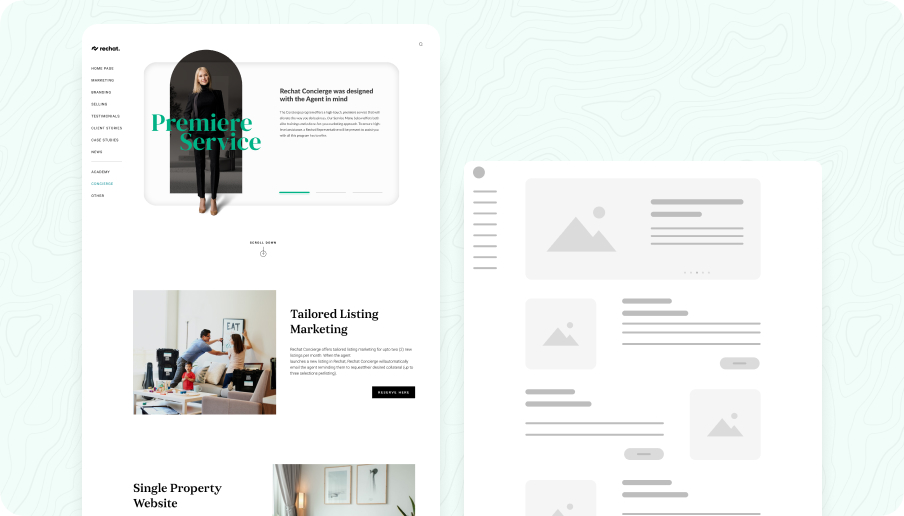
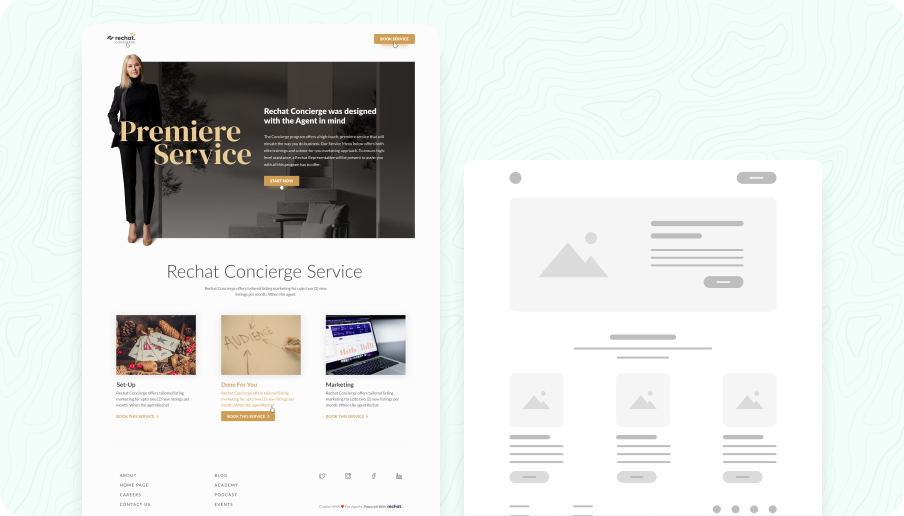
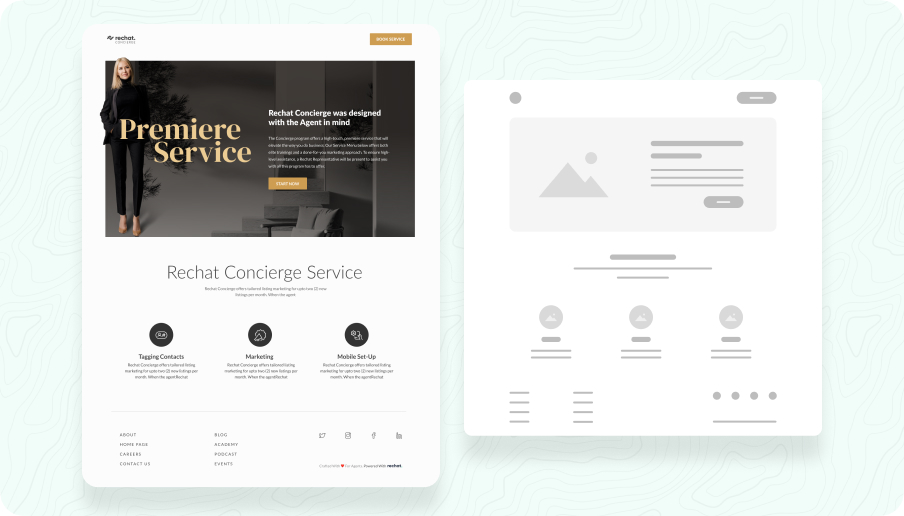
We then developed the final design, which included creating a visual identity for the website that would align with the main product's branding. We worked closely with the development team to ensure that the design was implemented accurately and met the necessary technical requirements.
Finally, we conducted post-launch testing to evaluate the success of the website and identify any areas for improvement. We collected metrics, such as website traffic, user engagement, and feedback from users, to measure the website's impact on the target audience and the business goals.
Through this rigorous design process, we were able to create a separate website that effectively catered to the needs of the VIP users and taught them how to use the main product. The website was well-received by the target audience and led to increased engagement and retention of VIP users.
Using research to build empathy
My research process involved the following steps:
- Understanding the problem: I started by gaining a deeper understanding of the problem faced by the real estate CRM platform, which was that some of its VIP users were not able to use the platform to its full potential due to their lack of familiarity with technology. I analyzed the user feedback, customer support requests, and usage data to identify the pain points and areas where the users were struggling the most.
- Defining the target audience: Once I had a clear understanding of the problem, I defined the target audience for the customized website, which were the VIP users who lacked technical knowledge and required additional support to use the platform effectively.
- Identifying user needs: I conducted user interviews, surveys, and usability tests to understand the needs, preferences, and behaviors of the target audience. This helped me identify the features and functionalities that would be most useful and valuable to the users.
- Analyzing the competition: I researched and analyzed the websites and apps of the competitors to identify the best practices, trends, and design patterns in the industry. This helped me identify the gaps in the market and opportunities for differentiation.
- Ideation and iteration: Using the insights from the research and the user personas, I generated multiple design concepts and ideas. I then refined and iterated on these concepts based on feedback from the team, stakeholders, and usability tests.
- Validation: Finally, I conducted usability tests and user feedback sessions to validate the design and ensure that it met the needs and expectations of the target audience. This helped me identify any usability issues or design flaws and make necessary adjustments before launching the customized website.
User feedback and iterative design
The testing processes I employed for this case study involved multiple rounds of user testing and feedback gathering to ensure the effectiveness of the product for users.
The first round of testing involved a small group of users who were not familiar with the technology. They were asked to use the product and provide feedback on its usability and effectiveness in teaching them how to use the main product. Based on their feedback, we made necessary adjustments and improvements to the website.
The second round of testing involved a larger group of users with varying levels of technological familiarity. We used a mix of qualitative and quantitative methods to gather feedback, including surveys and interviews, to understand how the website was helping them understand the main product and whether it was meeting their needs.
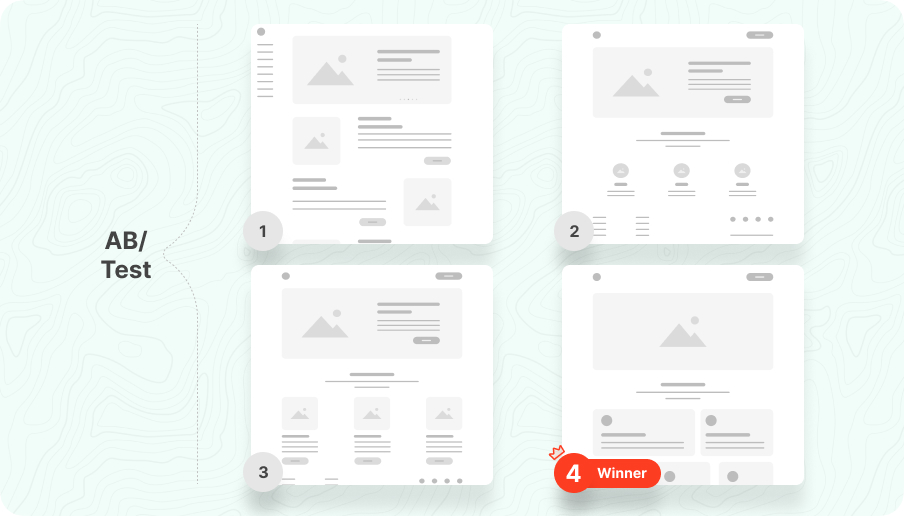
Based on the feedback, we refined the content, layout, and design of the website to make it even more effective for our users. We also conducted A/B testing to compare different versions of the website to determine the most effective design and content.
More projects

 Eterex
 Divar
Divar
 Revivoto